
Africa AI Academy | History
The Google AI/Internet Academy Through the Years
Introduction
The Google AI Academy (previously The Google Internet Academy) is a series of high-level convenings sponsored or co-convened by Google and an academic partner, designed to engage policy makers, government officials, academia, civil society, AI innovators, industry leaders and other stakeholders on crucial digital policy and technological opportunities and challenges facing Africa.
?The program has evolved from a focus on general internet policy to concentrating heavily on the governance and opportunity presented by Artificial Intelligence (AI).
2016 - The Inaugural Google Internet Academy, with WITS University -Cape Town, South
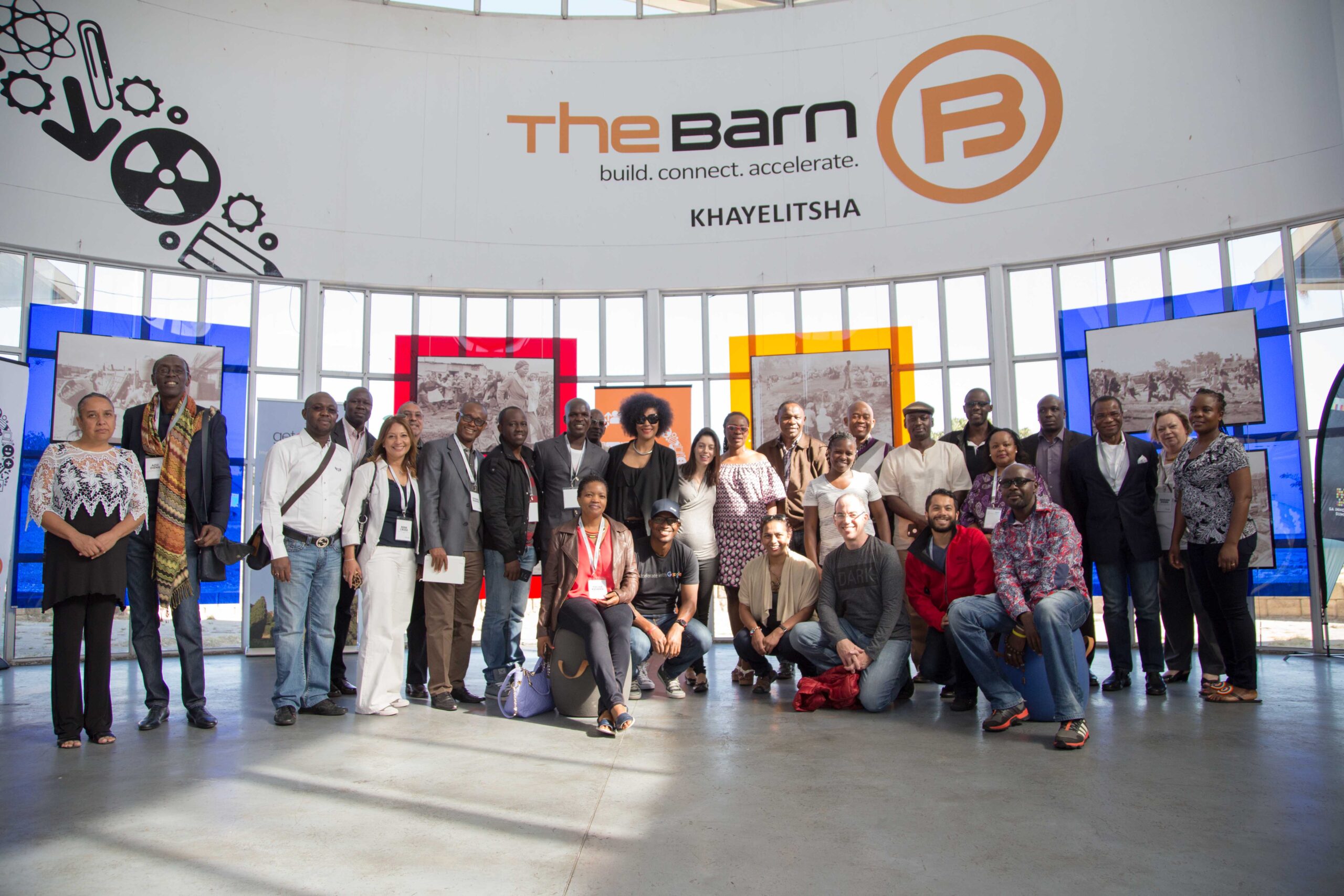
The three-day event was held from November 30 to December 2, 2016, primarily at Workshop 17 in Cape Town Waterfront. The event aimed to cover core digital policy and technology issues pertinent to the continent.
Day 1 focused heavily on policy fundamentals, beginning with "Setting the Stage on Digital Policy in Africa". Key sessions included the "Fundamentals of Privacy in the Digital Era," discussions on “Privacy and Security at Google”, and a fireside chat on hot topics in privacy regulation. Day 1 also addressed "Building a Digital Africa" through future-orientated policy and regulation for mobile, and explored "Artificial Intelligence – Unlocking the Future of Digital Service".
Day 2 shifted focus to intellectual property and content, covering the "Fundamentals of Copyright in the Digital Era" (Speaker: Prof. Caroline Ncube), "Countering Piracy on the Internet" (Speaker: Anthony House), and a fireside chat on Copyright and Innovation in Africa. The agenda also included a session on the Online Content Creation Ecosystem, Content Regulation and the Role of ISP’s, and a demonstration of Virtual Reality with Google Cardboard.
Day 3 was dedicated to interaction with the local tech ecosystem, starting with a tour of the Bandwidth Barn Khayelitsha Tech Lab. Policymakers engaged in open discussions with Tech Community Managers, Tech Developers, and Tech Entrepreneurs. The event concluded with closing remarks and a celebratory lunch overlooking The Mother City.
2018 - With Strathmore University - Port Louis, Mauritius:
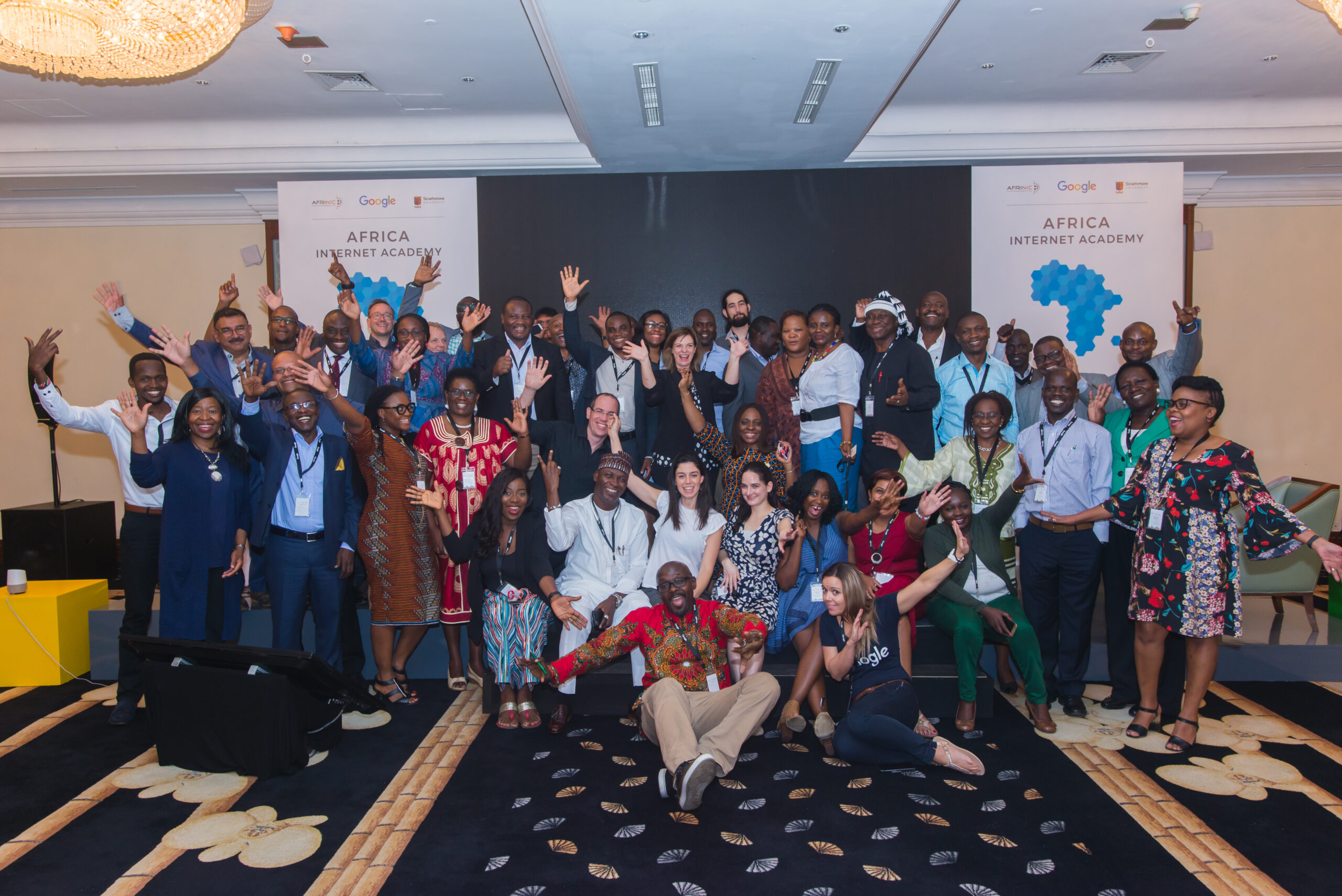
The event, titled "Discussing and forging Africa’s Digital Policy Together," spanned three days, from March 7–9, 2018, covering critical issues in digital policy, security, and content creation.
Day One focused on Search, Privacy and Security on the Internet alongside the Grow with Google initiative. The agenda included "Setting the Stage on Digital Policy in Africa" led by Google and Strathmore University. Participants explored how Search works and Google’s business model, followed by sessions on the "Fundamentals of Privacy in the Digital Era". The day highlighted specific "Privacy and Security at Google" practices and showcased the Grow with Google digital skills program and Virtual Reality tools.
Day Two was dedicated to Content, Copyright and Creators. Discussions were introduced by a Copyright Counsel at Google and featured a session on the "Fundamentals of Copyright in the Digital Age", debating the adequacy of 20th-century laws for 21st-century copyright challenges. Key policy areas included "Controversial Content" and strategies for countering violent extremism. The day also explored the Online Content Creation Ecosystem, and included a significant discussion on Cloud and Machine Learning (ML).
Day Three concluded the programme by focusing on Entrepreneurship and Innovation in Mauritius. After travel and a visit to the Mauritius Glass Gallery, the core activity was a Tech Hub Tour. Policymakers engaged in an open discussion and met with Tech Entrepreneurs at the Turbine Tech Hub before concluding with a wrap-up lunch.
2021 - With the United States International University-Kenya (USIU) - A Pandemic and Pivot to a Public Lecture
The 2021 Academy was unique due to the Covid-19 lockdown, with part of the event held virtually. Additionally, the Academy deviated from its usual closed-door Chatham House Rules format to host a public curtain-raising lecture, "The Technology and Society Conference 2021," at USIU-kenya. The Conference discussed how to maximise the opportunities and manage the risks of the Digital Economy and Emerging Technologies in Africa. Experts explored leveraging AI/ML for social transformation, stressing the need for proper regulatory frameworks and warning that Africa risks technological neo-colonization.
The other half of the academy program was devoted entirely to the theme "Good Regulatory Practices for the Digital Economy", detailing the practices essential for improving regulation quality. Discussions highlighted that policymakers should carefully consider regulatory tools, such as observation, self-regulation, co-regulation, or formal regulation, to avoid counterproductive decisions in dynamic markets.
April 2023 -With Strathmore University - Nairobi, Kenya
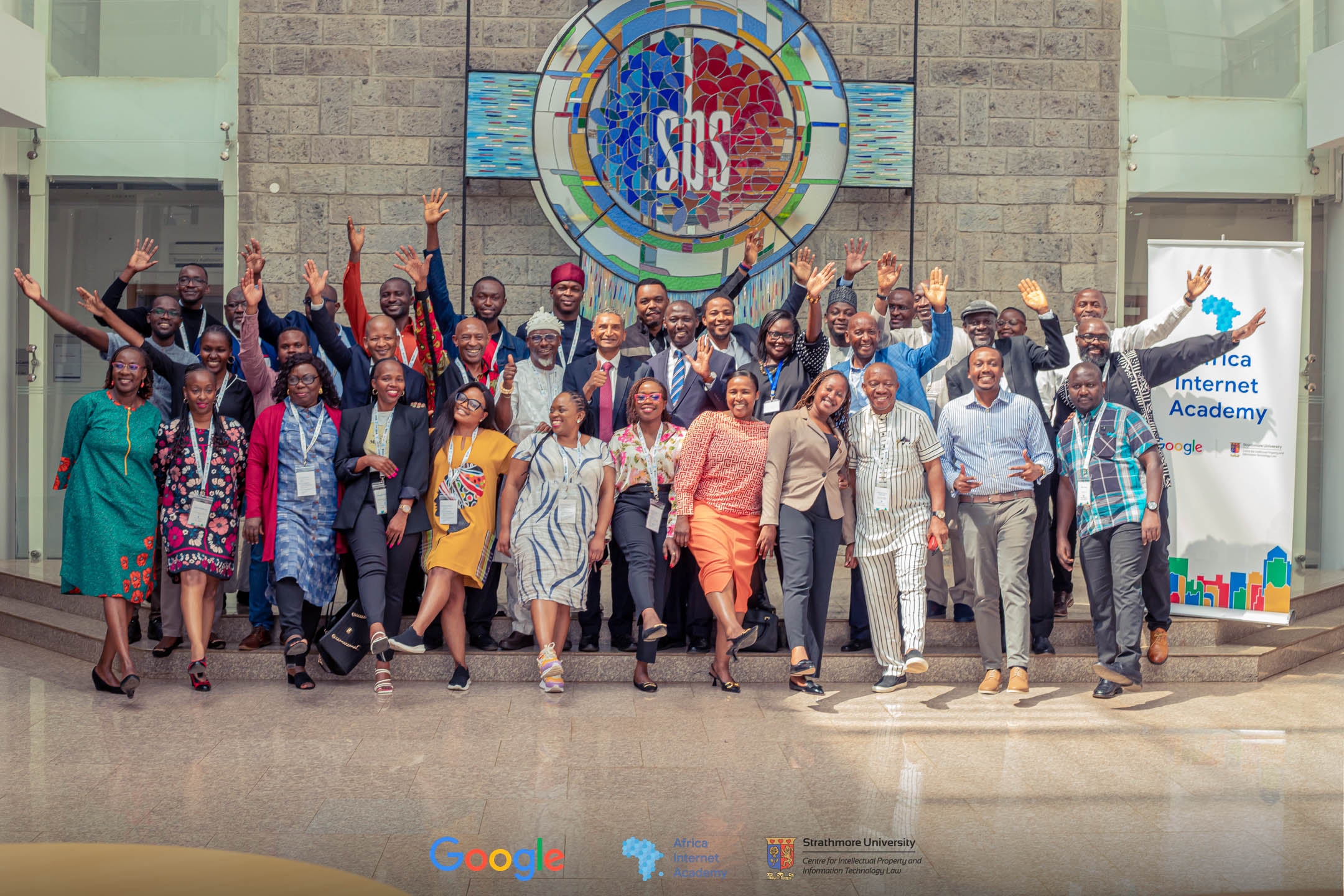
The 4th Africa Internet Academy 2024, held at Strathmore University in Nairobi, Kenya, from May 23-25, 2023, was an engaging and informative event praised by over 40 delegates from various African countries and the African Union.
The Academy also focused on "Good Regulatory Practices for the Digital Economy," referencing a white paper on the subject.
The event featured sessions by Googlers on topics such as transformational growth in Africa, digital transformation, online content regulation, and public cloud adoption.
A key lesson learned was the strong impression made on attendees by highlighting the work of SMBs, startups, and non-profits driving innovation in Africa.
Sept. 2023 -With the University of Johannesburg -Pivot to ‘AI Academy’
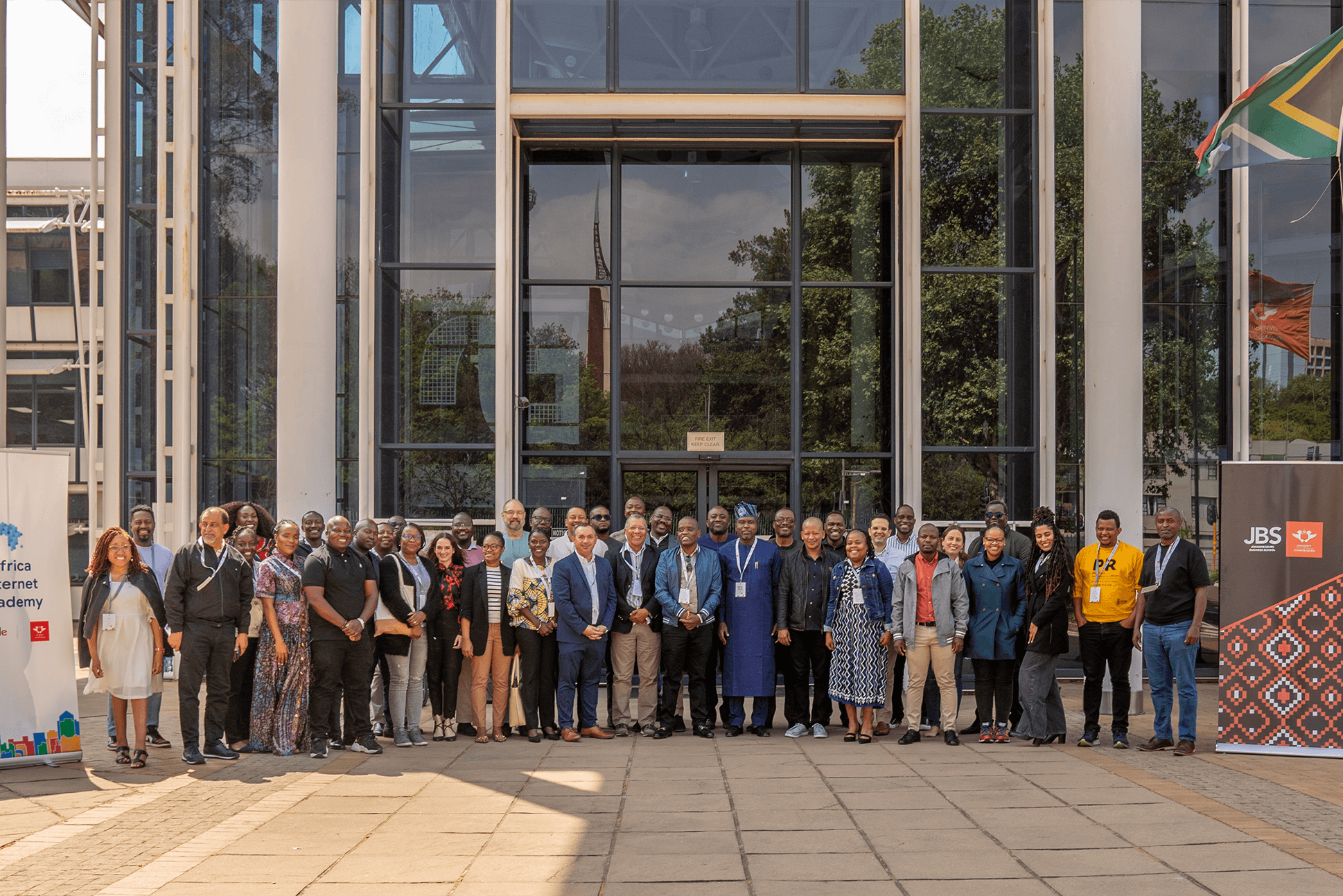
In 2023, after generative AI had burst onto the scene the previous year, the event was renamed “The Google Africa AI Academy” co-hosted with the University of Johannesburg (UJ) School of Business. The academy was designed to introduce policymakers to the strategic, technological, and regulatory dimensions of AI . The agenda focused on three core areas:
- Introduction and Opportunity: Insights from the Global Artificial Intelligence Readiness Index for Government and the economic and social opportunities presented by AI. A public lecture addressed "AI for Good," detailing Google’s work and use cases in Africa, such as locust forecasting and flood alerting. The sessions emphasised building multi-stakeholder partnerships and exploring how governments can harness the power of AI and Cloud without developing capabilities from scratch.
- Policy and Security: The event held high-level discussions on key policy issues, including Responsible AI and content safety (addressing illegal/harmful content and unfair bias). Specific policy segments covered Privacy and AI (collection and use of personal information, data-driven impacts, and how GAI models are trained). Sessions on Copyright and AI stressed the need for a pro-innovation, balanced approach. Discussions also covered cybersecurity, focusing on Google’s innovation that enhances cybersecurity using Machine Learning (ML) to detect attacks, and mitigating national security risks associated with Generative AI (GAI), such as misinformation campaigns.
- Advancement and Demonstration: The concluding segments focused on the socio-economic potential value of AI and facilitated a workshop on best practices and policy recommendations for Sub-Saharan African countries to advance AI. The academy featured product demonstrations showcasing the responsible use of AI tools, including Bard (Assistant), Flood Forecasting, Lens Translate, and the flagship projects of the UJ AI Hub. The event wrapped up with a summary of discussions and calls for future partnership opportunities.
2024 - With the UK Foreign & Commonwealth Development Office - Wilton Park, Sussex, England - Accelerating AI Focus

For the first time, the Academy was held outside of the African continent. The high-level event, "Successfully Harnessing AI in Africa" was held from December 2–4, 2024, in partnership with Google and the UK Government’s Foreign, Commonwealth and Development Office (FCDO).
- The discussions emphasized that promoting AI must be contextualized to Africa’s socio-economic circumstances and leverage local data.
- Day one explored AI's transformative potential in critical areas such as maternal healthcare, agricultural productivity, and disaster management, demonstrating how AI-driven innovations already improve and save lives. Key barriers to scaling these innovations include the lack of large sets of local data, insufficient local expertise, and the need for improved digital infrastructures. Day two focused on responsible uses of AI and building trust, with calls to develop an African Charter on Ethical AI and promote "diversity by design" in AI systems. Case studies from governments like Rwanda and the UK showed how AI can improve public service delivery, while acknowledging challenges such as data availability and workforce displacement.
- Day three centered on scaling existing initiatives through public-private partnerships. Priority recommendations included developing national AI strategies aligned with the African Union's Continental AI Strategy, investing urgently in digital infrastructure (including cloud services), and creating national AI education and training programs in collaboration with universities and tech companies. Africa must lead its own AI development agenda, crafting bold strategies that promote an enabling policy environment and reflect local needs and values.